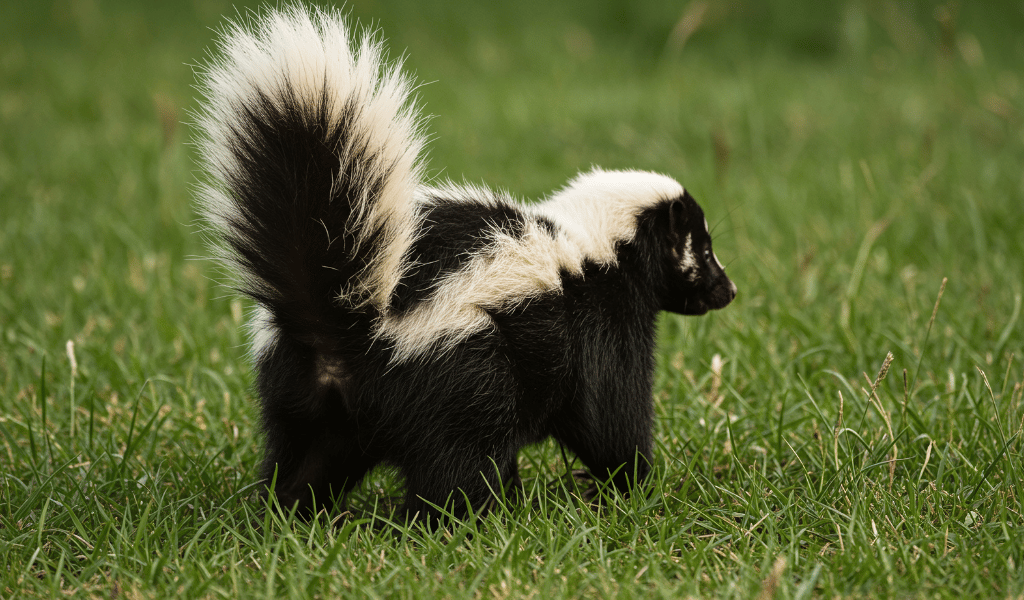
When “Uh-Oh, We Got Skunked” Happens…
At Dashing Dogs Mobile Grooming, we know that no one plans for a run-in with a skunk — but when it happens, that smell can feel impossible to get rid of. That’s why we offer our specialized De-Skunk Treatment Add-On: a safe, effective process that neutralizes odor at its source and leaves your pup fresh, clean, and comfortable.
Important Precaution Before Your Appointment
Please do not bathe or wet your dog before we arrive. Once the skunked area becomes wet, the odor molecules bond more deeply to the fur and skin, making the smell much harder to remove. Keeping your pup dry allows our treatment to work at full strength for the best possible results.
What the Treatment Involves
Pre-Check & Assessment — Your groomer will assess the coat, skin, and level of odor to determine where treatment is most needed.
Custom De-Skunking Formula — We mix and apply our trusted de-skunking solution — a carefully balanced blend that breaks down skunk oils and odor molecules instead of just masking them.
Rinse & Repeat — For stronger skunk exposure, we’ll safely repeat the process to ensure the best possible clean.
Condition & Protect — After treatment, we apply a leave-in conditioner to restore moisture and prevent dryness or irritation.
Aftercare Tips — We’ll share quick aftercare guidance to keep your dog smelling fresh.
Skunks in Lubbock and West Texas
Skunks are far more common in and around Lubbock than most residents realize — until their dog comes in smelling like one. West Texas’s open landscape, warm climate, and suburban sprawl create ideal skunk habitat. Striped skunks are active year-round here, but encounters spike during two predictable windows: spring (March–May), when skunks emerge from their winter torpor and become highly active at dusk and dawn, and fall (September–November), when they’re foraging aggressively before cooler weather sets in.
Lubbock’s suburban layout makes encounters especially likely. Neighborhoods on the south and southwest sides of the city border open agricultural land and brush, and skunks routinely move through residential yards looking for grubs, pet food, or water sources. A dog that spends any time in a fenced backyard — particularly at dawn, dusk, or after dark — has a realistic chance of a skunk run-in at some point.
Common encounter areas include:
- Backyards near drainage channels or open fields — skunks use these as travel corridors
- Under decks, porches, and sheds — common denning spots
- Around pet food left outside — a reliable skunk attractant
- Near garden beds and compost areas — grubs are a primary food source
If your dog has been skunked, get them inside (away from furniture and carpet if possible), keep them dry, and call (806) 999-1912 right away.
Why DIY Doesn’t Work
The first instinct for most people after a skunk encounter is to reach for whatever’s under the sink — and the most persistent myth is that tomato juice does the job. It doesn’t. Tomato juice doesn’t neutralize skunk odor; it temporarily overwhelms your sense of smell through olfactory fatigue, making you think the smell is gone. The moment the tomato smell fades, the skunk odor comes back just as strong.
The same problem applies to most commercial pet shampoos, dish soap, and baking soda mixtures used on their own. Skunk spray is an oily, sulfur-based compound called thioacetate. To actually eliminate the odor, you need a formula specifically designed to break down those sulfur compounds at the molecular level — not just cover them up or rinse them away.
DIY attempts also carry a risk that most people don’t anticipate: wetting the coat before applying the right treatment causes the thioacetate to bind more deeply to the fur and skin, making professional removal significantly harder. That’s why we always tell clients — do not bathe your dog before we arrive. The best thing you can do is keep them dry and call us immediately.
Our professional de-skunking formula is formulated specifically to oxidize and neutralize thioacetate compounds, not mask them. The result is a dog that actually smells clean — not a dog that smells like tomatoes and skunk.
Frequently Asked Questions
How quickly should I book after a skunk encounter?
The sooner the better! We recommend calling us immediately. The longer skunk oil sits on the coat, the harder it is to fully remove. And remember — do NOT wet your dog before our arrival.
Does the de-skunk treatment completely remove the smell?
In most cases, yes. Our formula neutralizes skunk oils at the molecular level rather than masking them. Severe cases may require a second application, which we’ll do at no extra charge during the same session.
Is the de-skunk treatment safe for puppies?
Yes, our formula is pet-safe and gentle enough for puppies. We adjust the application and handling technique based on your pet’s age and size.
Don’t suffer through the skunk smell! Call Dashing Dogs Mobile Dog Grooming at (806) 999-1912 for emergency de-skunk treatment in Lubbock, TX. Book now.